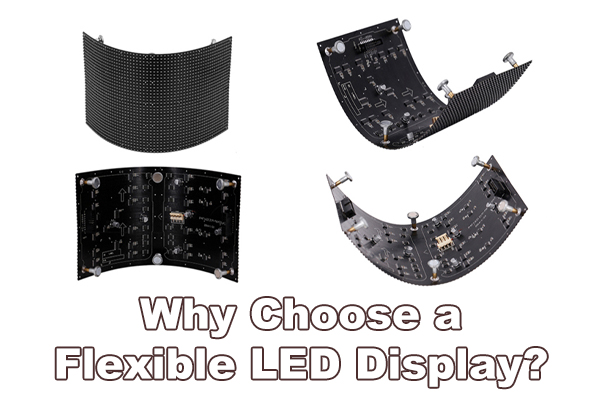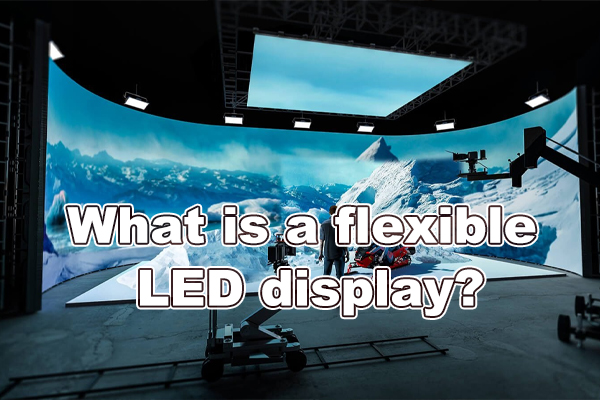
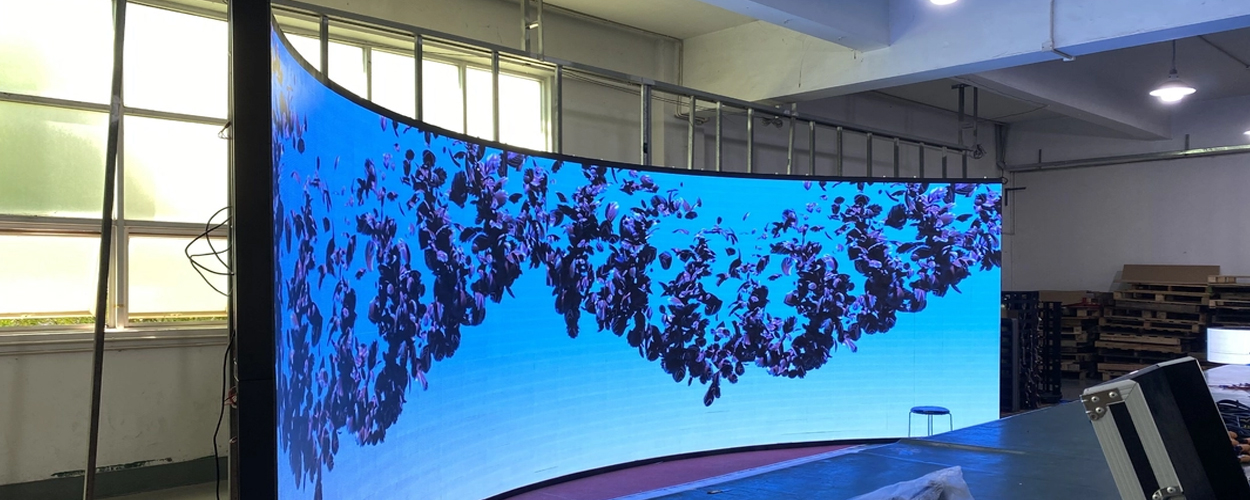
Flexible LED displays are revolutionizing digital display technology with their unique design and versatility. Unlike traditional rigid screens, these displays can bend and adapt to various surfaces, offering designers and engineers greater creative freedom. The slim and lightweight nature of flexible LED screens makes them easy to install, especially in unconventional settings.
The advantages of flexible LED displays include the ability to showcase content on almost any surface, opening up limitless possibilities for applications in architecture, advertising, and entertainment. Their durability and energy efficiency contribute to widespread adoption across different industries.
Beyond aesthetics, the functionality of flexible LED modules is impressive, allowing for various effects such as curved screens, three-dimensional displays, and interactive applications. This provides users with a more immersive and personalized experience, enhancing the engagement of digital content.
While the pricing of flexible LED displays is influenced by factors like technological advancements and production costs, understanding these elements helps users choose solutions that align with their needs and budget.
In summary, flexible LED displays represent a significant advancement in digital display technology, offering innovative design, outstanding performance, and diverse applications across different fields.
1.What is a flexible LED display
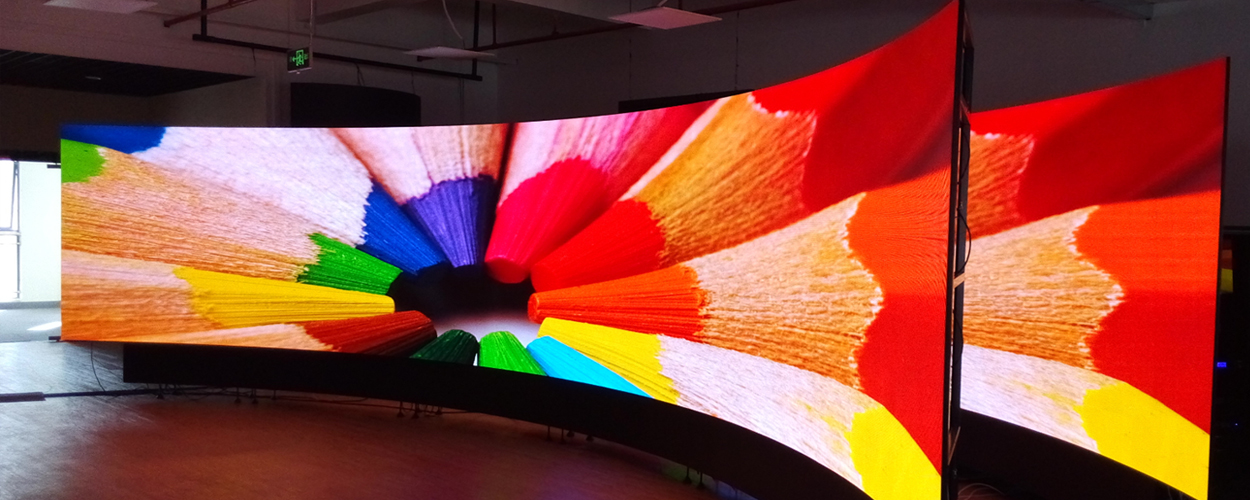
A flexible LED display is this awesome technology that uses light-emitting diodes (LEDs) to show visuals, and the cool part is it’s designed to be all flexible and bendy. Unlike those regular LED screens that are stiff and flat, flexible LED displays use bendy materials that let them curve and shape to different surfaces.
The flexibility of these displays opens up a whole new world of creativity. You can wrap them around structures, bend them around columns, and even fit them into funky shapes. These displays are super lightweight, thin, and tough, making them perfect for all sorts of places and setups.
They’re a big hit in advertising, digital signage, retail spaces, and events—basically, anywhere you want a display that’s not just flat and boring. The fact that they’re flexible lets you come up with some seriously eye-catching designs that you just can’t pull off with a regular flat screen. Cool, right?
2. 10 Advantages of the flexible LED screens:
Flexible LED screens offer several advantages, making them a popular choice in various applications. Here are 10 advantages of flexible LED screens:
Bendability:
One of the primary advantages is the ability to bend and curve the display, allowing for creative and innovative designs that can fit unconventional spaces.
Lightweight:
Flexible LED screens are generally lightweight, making them easier to install and transport. This characteristic is particularly useful for temporary installations or situations where weight is a critical factor.
Space Efficiency:
The flexibility of these screens allows for better utilization of space. They can be adapted to fit curved or irregular surfaces, maximizing the use of available areas.
Durability:
Many flexible LED screens are designed to be durable and resistant to damage. This durability makes them suitable for various environments, including outdoor installations where they may be exposed to the elements.
Energy Efficiency:
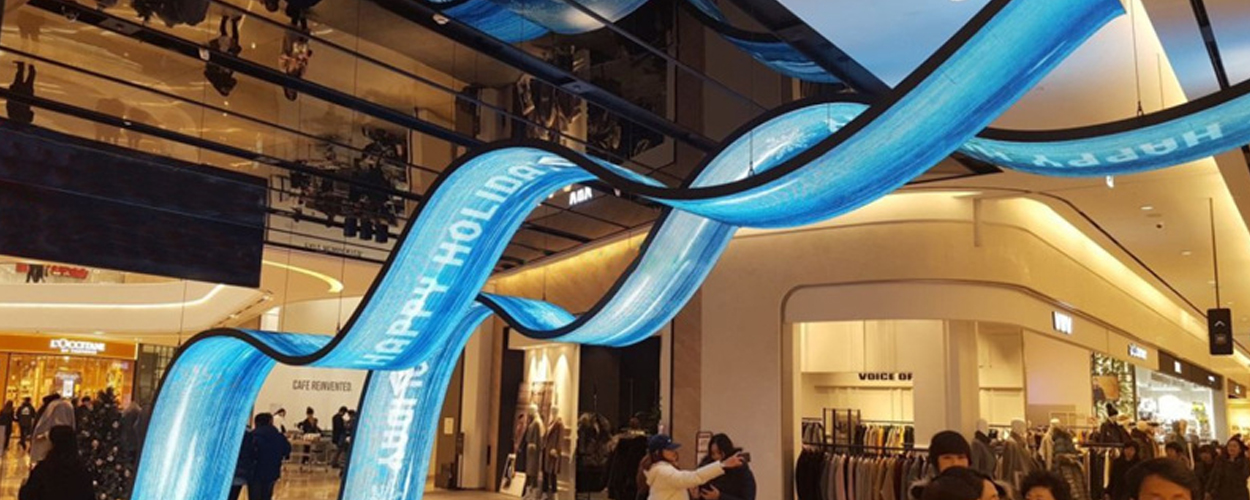
LED technology is inherently energy-efficient, and flexible LED screens are no exception. They can provide bright and vibrant displays while consuming relatively low amounts of power compared to traditional display technologies.
Wide Viewing Angles:
Flexible LED screens often offer wide viewing angles, ensuring that the content remains visible and clear from various perspectives. This is crucial in applications where the audience may be viewing the display from different angles.
Adaptability:
The adaptability of flexible LED screens allows for the creation of custom shapes and sizes to suit specific requirements. This makes them versatile for a wide range of applications, from artistic installations to architectural designs.
Seamless Integration:
Due to their flexibility, these screens can be seamlessly integrated into different architectural elements, such as curved walls or columns, providing a more integrated and aesthetically pleasing appearance.
Ease of Maintenance:
Many flexible LED screens are designed with modular components, making maintenance and repairs more straightforward. If a portion of the display becomes damaged, it can often be replaced without affecting the entire screen.
High Brightness and Contrast:
Flexible LED screens typically offer high brightness levels and contrast ratios, ensuring that the content is vivid and easily visible even in well-lit environments. This makes them suitable for various applications, including outdoor events and advertising displays.
3.Why should you choose flexible LED displays?
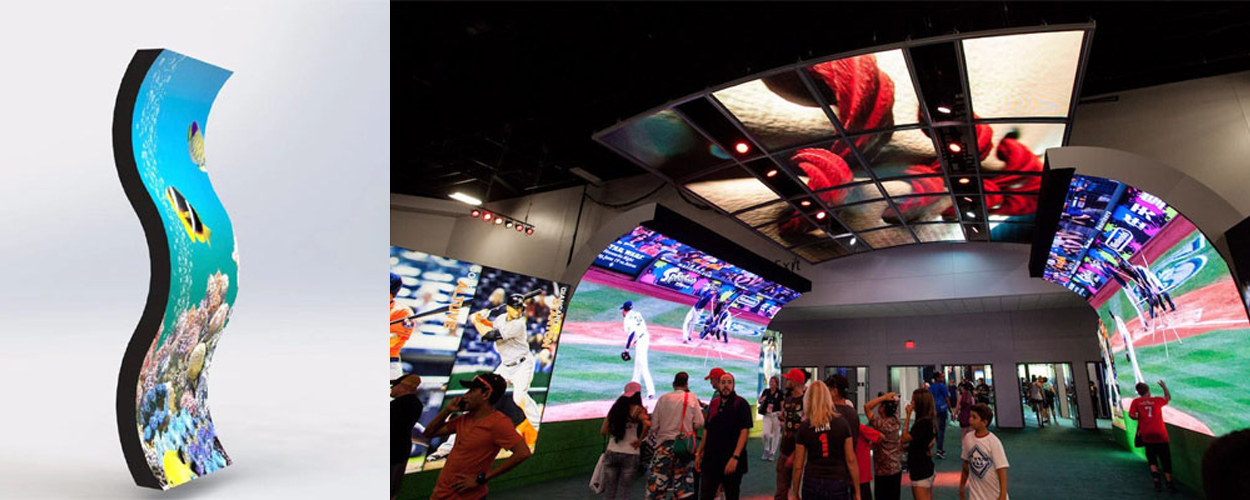
Choosing flexible LED displays offers a range of benefits, including design versatility, space optimization, durability, energy efficiency, easy installation, seamless integration, wide viewing angles, innovative applications, customization, and adaptability. Flexible LED displays can bend, curve, or wrap around structures, allowing for creative designs not possible with traditional rigid displays. Additionally, they are lightweight, durable, and energy-efficient, making them suitable for various indoor and outdoor settings. When selecting flexible LED displays, it’s essential to carefully consider project requirements and weigh the characteristics of different display technologies before making a decision.
Post time: Dec-02-2023