

In today’s business landscape, LED screens have become a hot choice for promoting businesses and building brands, thanks to their outstanding visual effects and versatile applications. This article delves into the fundamental features of LED screens, with a focus on the distinctions between indoor and outdoor setups. Additionally, it introduces SRYLED as a leading provider of LED screen solutions, offering comprehensive support for businesses.
Fundamental Features of LED Screens
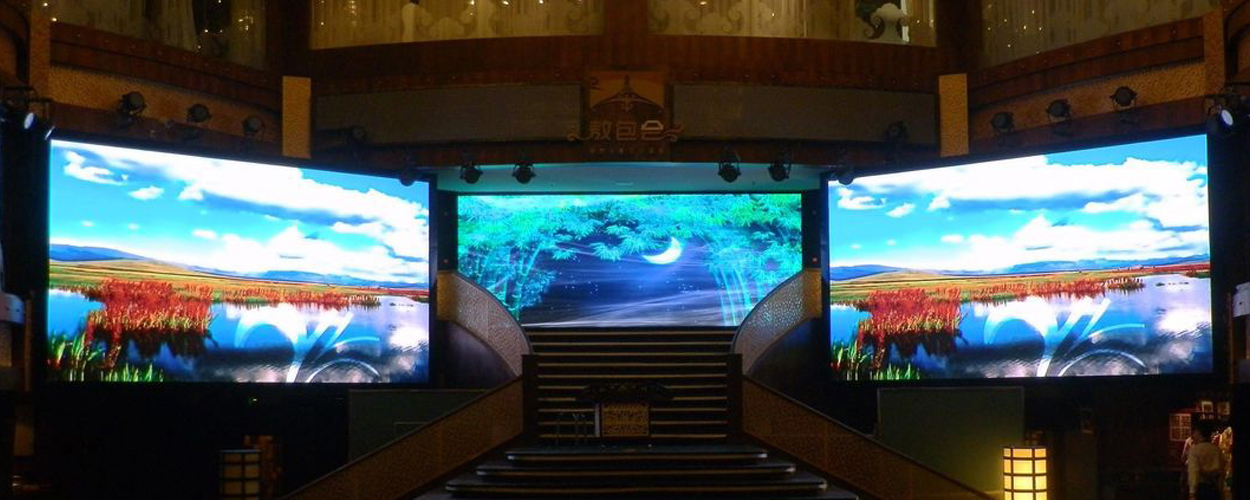
LED screens use light-emitting diodes (LEDs) as pixels in a flat-panel display. Their high contrast ratio makes them excel in large and expansive display scenarios, making them widely used in industries such as public transportation, gaming, entertainment, and movies. Pixels are arranged in a two-dimensional matrix on the screen, and the more pixels, the higher the resolution and clearer the display.
Differences Between Indoor and Outdoor LED Screens
1. Size and Usage
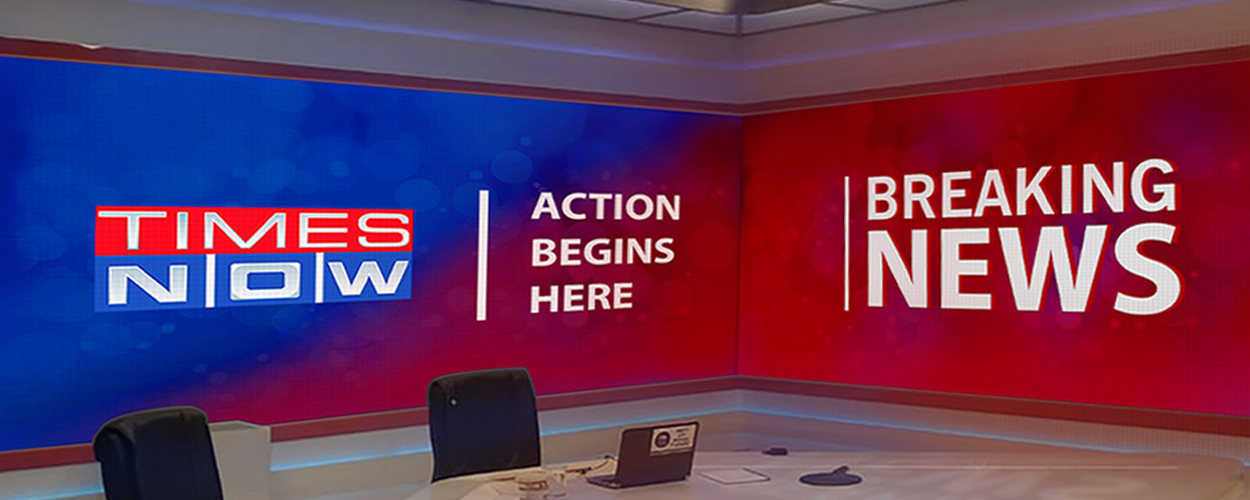
Outdoor LED screens are generally larger and suitable for events like festivals, highway banners, and sports arenas, where long-distance viewing is essential. On the flip side, indoor LED displays are more common in settings like shopping malls, restaurants, churches, and retail stores, catering to close-proximity viewing.
2. Brightness and Resolution
Due to exposure to sunlight, outdoor LED screens are significantly brighter, making them ideal for daytime long-distance viewing. Indoor LED displays achieve clarity through higher pixel density, ensuring a sharp image for close-range viewing.
3. Cost Considerations
The manufacturing cost of LED screens varies based on factors like raw materials, screen size, and pixel pitch. Both indoor and outdoor LED screens can become significantly more expensive with larger screens and more LEDs.
4. Environmental Adaptability
Designed to withstand extreme weather conditions, outdoor LED screens boast a higher waterproof rating (IP65) to endure rain, high temperatures, sunlight, and dust. In contrast, indoor LED displays do not require such features.
SRYLED Solutions
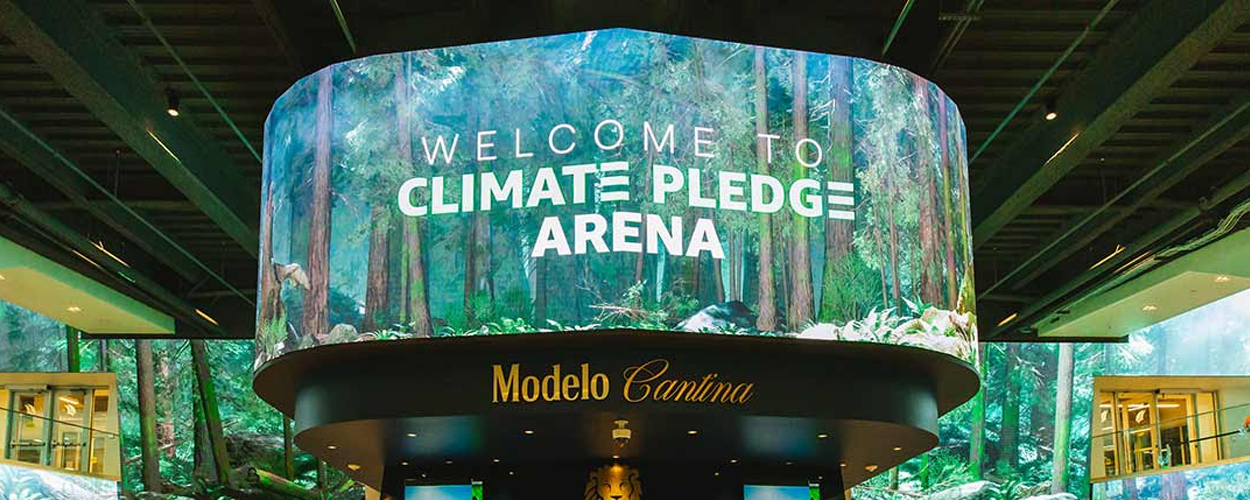
As a leading provider of LED display solutions, SRYLED offers advanced technology and comprehensive services:
1. Maximized Uptime
SRYLED ensures LED screens maintain optimal performance in any weather conditions through remote power management and redundancy systems, maximizing operational uptime.
2. Expert Team Support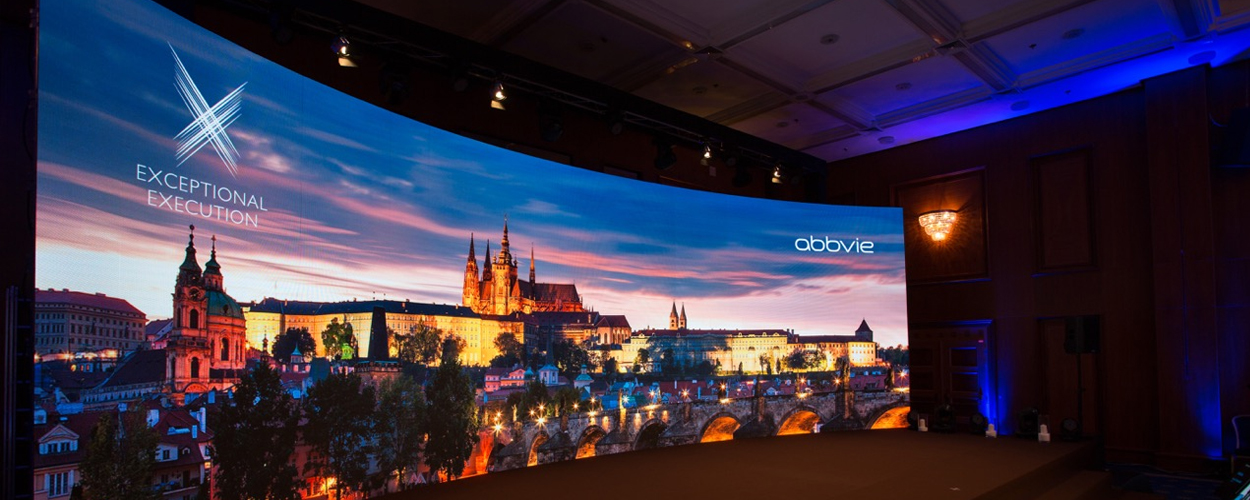
SRYLED’s professional team quickly assesses client eligibility and provides end-to-end services, including design, installation, and maintenance.
Conclusion
In conclusion, LED screens play an increasingly crucial role in the business arena. Understanding the differences between indoor and outdoor LED screens is vital for businesses to make informed decisions. SRYLED, as a leading provider, not only offers high-quality LED display solutions but also provides one-stop services from design to installation and maintenance. By choosing the right LED screen and a reliable solution provider, businesses can effectively enhance their brand image and capture the attention of their target audience.
Post time: Nov-30-2023