

When it comes to advertising, businesses and marketers have always been in pursuit of attractiveness, cost-effectiveness, and effectiveness. With the continuous development of technology, advertising has undergone a transformation. On one hand, traditional advertising still remains a primary means of marketing, such as broadcasting, print media, and outdoor billboards. On the other hand, LED advertising screens are gradually emerging, providing new ways to capture the audience’s attention. So, which one is more effective, LED advertising screens or traditional advertising? This question is worth exploring.
What are LED Advertising Screens?
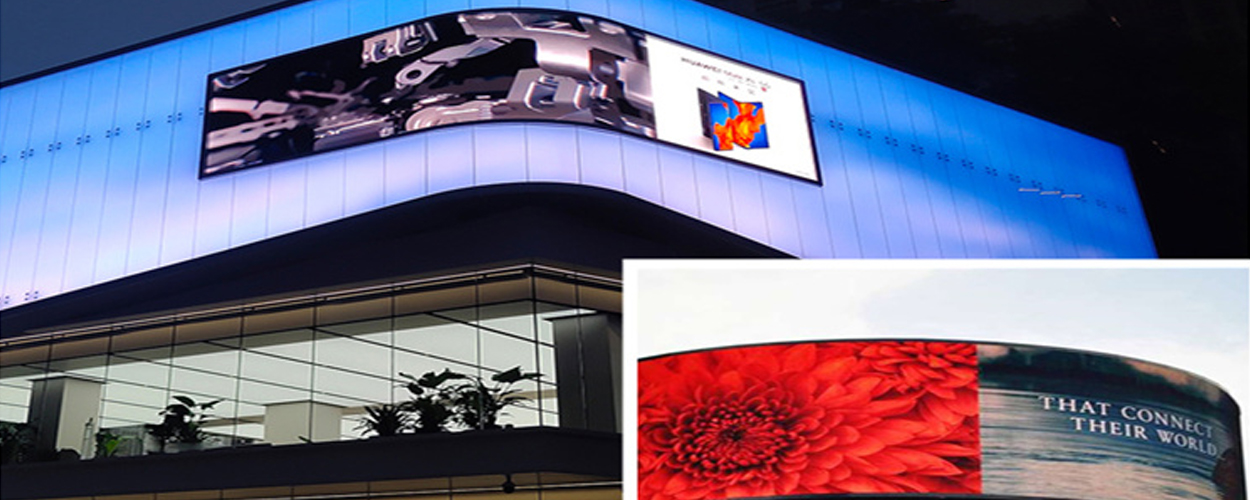
LED advertising screens are large display devices made using Light Emitting Diode (LED) technology, typically used for indoor or outdoor advertising, information dissemination, and media presentations. These screens consist of numerous small LED lights that emit red, green, and blue light to display images and videos in various colors and brightness.
What is Traditional Advertising?
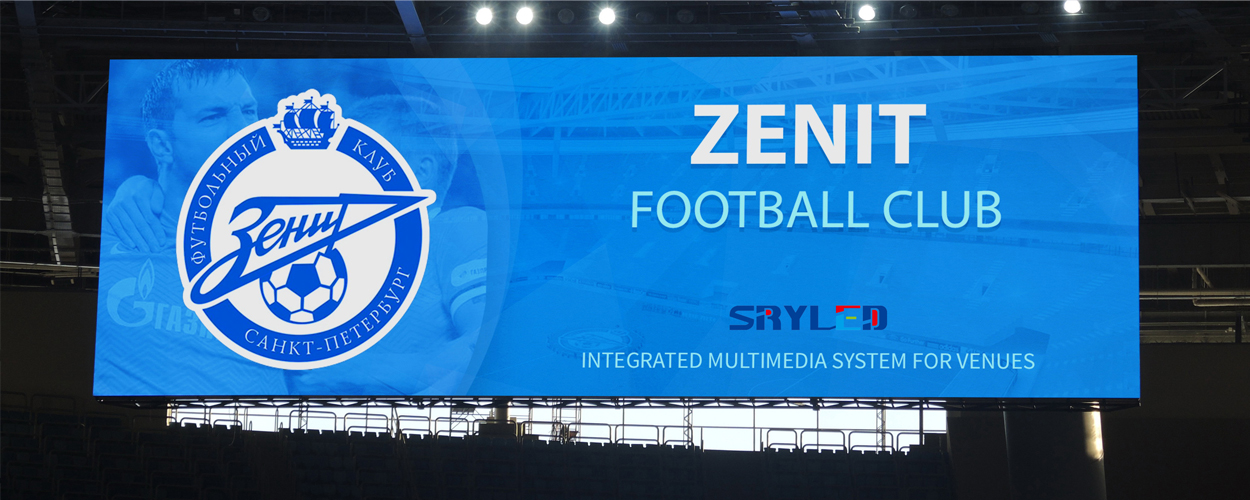
Traditional advertising refers to using conventional media channels and methods, such as television, radio, print media (newspapers and magazines), outdoor billboards, direct mail, and faxes, to convey advertising messages and promotional content. These forms of advertising have long been the primary means of marketing.

LED Advertising Screens vs. Traditional Advertising
1. Cost-Effectiveness
First, let’s focus on cost-effectiveness. Traditional advertising typically requires substantial resources and budget for production, distribution, and maintenance. This includes costs for ad design, printing, and media purchases. In contrast, LED advertising screens may require a higher initial investment, but over time, they can be more cost-effective because they can easily update and modify content without the need for reprinting or remaking ads.
2. Target Audience
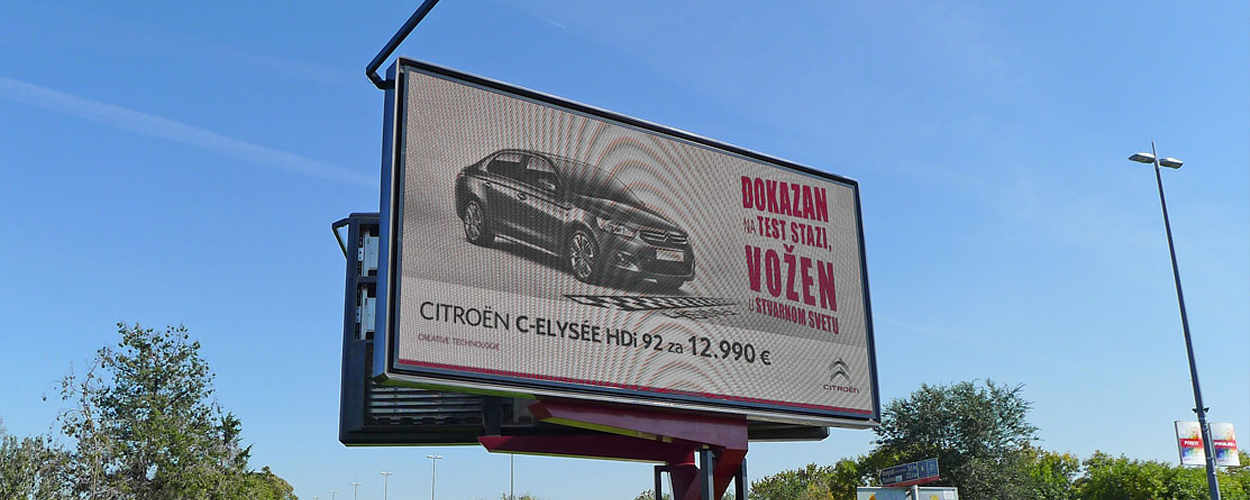
The effectiveness of advertising depends largely on the ability to capture the attention of the target audience. Traditional advertising is often broadly distributed, making it challenging to precisely target the audience. However, LED advertising screens can more accurately target the audience since they can be placed in specific locations and display different content at different times to meet audience needs.

3. Advertising Impact
The effectiveness of advertising largely depends on its ability to attract attention and convey information. In this aspect, LED advertising screens excel. They attract the audience with high brightness, dynamic content, and high-definition displays. These forms of advertising are often more attention-grabbing as they are visible day and night and can convey information in a more vivid manner.
4.Interactivity
LED advertising screens typically offer higher interactivity. Features like touchscreens, real-time interaction, and social media integration make it easier for the audience to engage with ads. This interactivity can enhance the interaction between the brand and the audience, creating a deeper connection.
5. Measurement and Analysis
For advertising, measuring its effectiveness and analyzing data are crucial. Traditional advertising often has limited effectiveness analysis, while LED advertising screens can provide richer data, such as audience interaction, viewing time, and click-through rates, making it easier for marketers to understand ad effectiveness and make improvements.
Conclusion
So, which one is more effective? The answer is not black and white. Traditional advertising and LED advertising screens each have their advantages, suitable for different contexts and objectives. Traditional advertising may have an advantage in broad coverage and brand awareness, while LED advertising screens may excel in precise targeting, attention-grabbing, and interactivity. Therefore, the best strategy may be to combine both to meet different market needs and goals. Regardless of the advertising format you choose, it should be balanced based on specific circumstances to achieve the best results.
Post time: Oct-25-2023