

LED screens, or Light Emitting Diode screens, have been making waves in various domains, from business and entertainment to education and information dissemination. But for beginners, grasping the core concepts and applications of LED screens can be a bit perplexing. In this article, we’ll take you on a journey to understand what LED screens are, their myriad benefits, why you should opt for LED screens, and the various scenarios in which they can be applied. Whether you’re a novice planning to use LED screens or a seasoned user looking to dive deeper into this technology, you’ll find essential insights here.
Part 1: What Is an LED Screen?
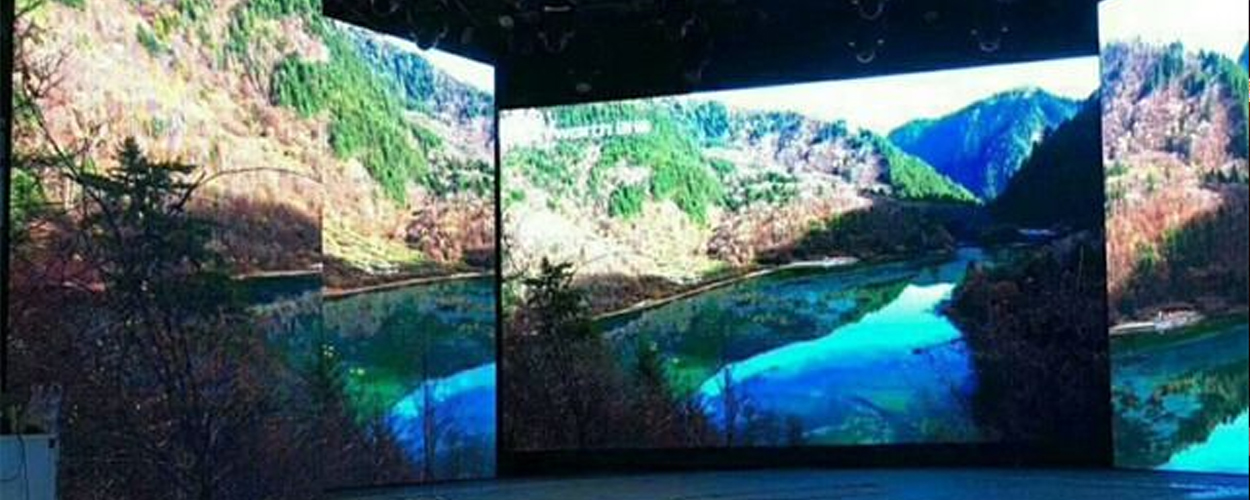
Let’s start by demystifying the basic concept of LED screens. LED stands for “Light Emitting Diode,” and an LED screen is a high-brightness display technology that employs thousands of tiny LEDs as pixels to present images and videos. These LEDs can be individually controlled to deliver high resolutions and exceptional image quality, making LED screens stand out as a cutting-edge visual technology. They are usually arranged on a flat surface to create seamless visuals. What makes this technology so captivating is its ability to deliver outstanding brightness and contrast, making content highly visible even in well-lit environments.
Part 2: The Advantages of LED Screens
Next, let’s explore the numerous advantages of LED screens that make them the preferred choice in a variety of scenarios:
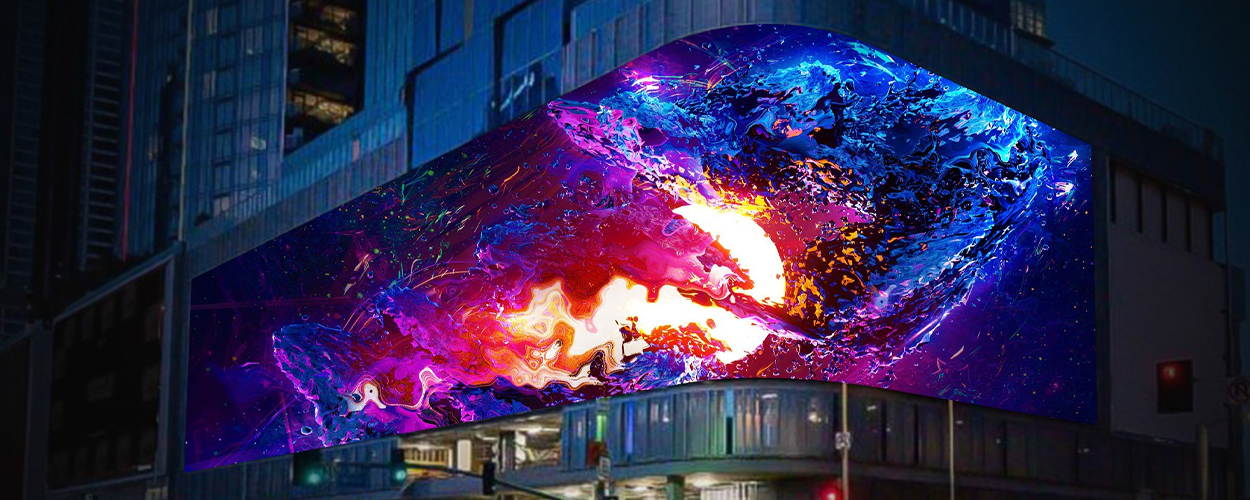
High Brightness and Contrast: LED screens offer remarkable brightness and contrast, whether indoors or outdoors. This makes them ideal for outdoor billboards, sports arenas, and open-air events, where their high contrast levels make content pop, even in direct sunlight.
Energy Efficiency: Compared to traditional fluorescent lights and projectors, LED screens are more energy-efficient. Their low power consumption significantly reduces energy costs, particularly during extended usage, making them an eco-friendly choice.
Longevity: LED screens typically boast a lifespan of hundreds of thousands of hours, resulting in fewer maintenance requirements and reduced overall upkeep costs. This longevity is a significant advantage for long-term investments in LED screens.
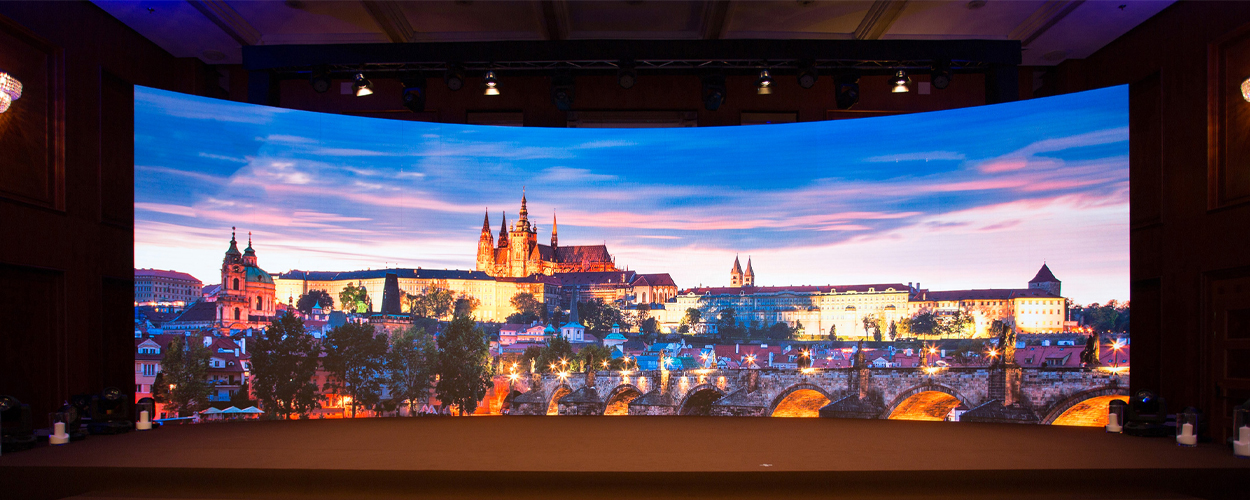
Versatility: LED screens can be fashioned into various shapes and sizes to cater to different settings and application needs. They can be tiled together to create large video walls or utilized for small signage and displays. This flexibility allows LED screens to meet diverse creative demands.
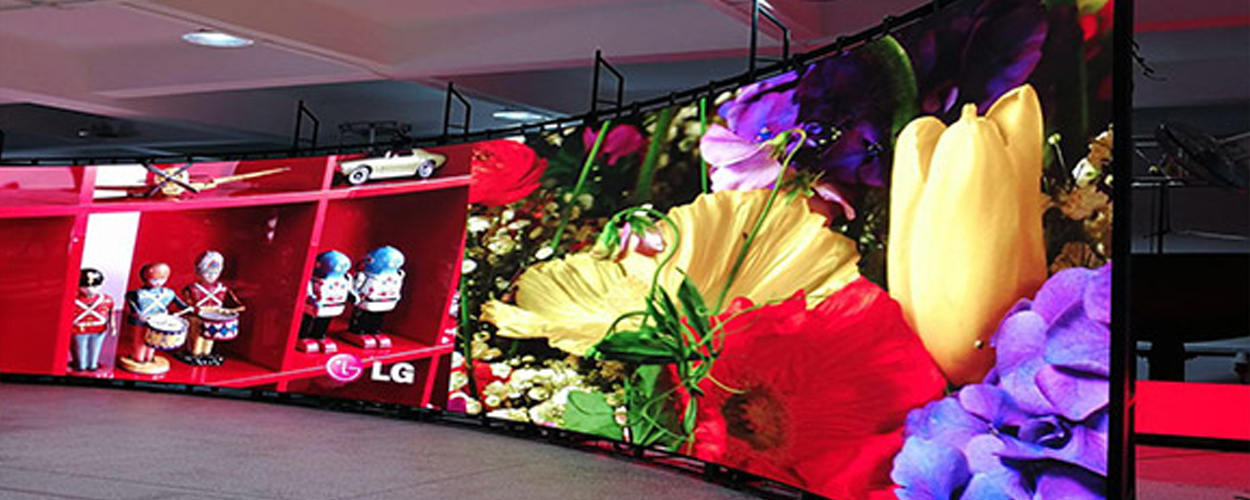
Color Saturation: LED screens exhibit vivid and saturated colors, making them an ideal choice for showcasing products, images, and videos. You won’t have to worry about color distortion or blurred images, as LED screens bring visuals to life with their vibrant color reproduction.
Part 3: Why Choose LED Screens?
Now that we’ve delved into the numerous benefits of LED screens, let’s examine why opting for LED screens over other display technologies is a wise decision:
Superior Visual Impact: LED screens deliver unparalleled visual impact, whether used indoors or outdoors. They can produce vibrant colors and sharp images, capturing the attention of the audience. If you seek exceptional image quality, LED screens are the way to go.
Versatile Applications: LED screens find utility in a multitude of settings, including conferences, exhibitions, sports events, concerts, advertising billboards, retail stores, and educational institutions. They are versatile, performing admirably both indoors and outdoors, making them an ideal choice for various applications.
Low Maintenance Costs: Thanks to their long lifespan and stability, LED screens require minimal maintenance, resulting in reduced overall costs. You won’t need frequent part replacements or expensive repairs.
Eco-Friendly: LED screens are relatively eco-friendly due to their reduced energy consumption, which contributes to lower carbon emissions. If you’re environmentally conscious, LED screens offer a sustainable choice.
Part 4: Application Scenarios for LED Screens
Lastly, let’s explore the diverse scenarios where LED screens can be applied, offering a better understanding of their practical use.
Retail Industry: Retailers can use LED screens to showcase products, promotions, and advertisements, attracting more customers. Whether in shopping malls, storefronts, or trade shows, LED screens can grab attention and drive sales.
Sports Arenas: LED screens are a common sight at sports events, displaying real-time match information, sponsor ads, and audience engagement features. Audiences can easily track the progress of the game while enjoying a visual spectacle.
Concerts and Performances: LED screens are frequently employed at concerts and live performances to enhance the visual experience for the audience. Whether it’s an indoor or outdoor concert, LED screens elevate the visual aspect of artistic performances.
Conferences and Exhibitions: In conferences and exhibitions, LED screens can be used to showcase presentations, information boards, and interactive content. They offer improved communication tools that make it easier for participants to understand and engage.
Education: Schools and universities can use LED screens to provide interactive learning experiences, display educational content, and convey announcements. It provides modern educational institutions with a valuable teaching tool.
Billboards: Outdoor LED billboards are common in city centers and busy traffic arteries. They can capture the attention of pedestrians and vehicles. Advertisers can easily update ad content to match market demands, ensuring their messages reach a wide audience.
Conclusion
LED screens have become an indispensable part of the modern world, offering exceptional visual impact and versatility in various domains, be it for business, entertainment, education, or information dissemination. Understanding the fundamental principles and application scenarios of LED screens will help you make better use of this technology, enhancing the success of your projects and events. This article aims to assist beginners in grasping the importance and potential of LED screens, while providing in-depth insights for advanced users. Whatever your needs may be, LED screens are an exciting tool that will elevate your visual experience.
Post time: Nov-04-2023